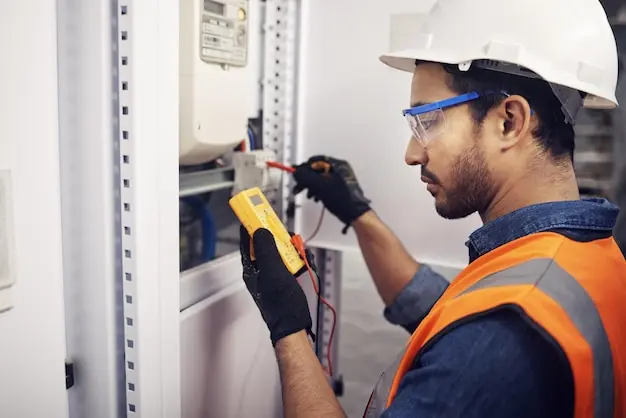
Most EV charger installation problems begin before the charger is switched on: an untested supply, an awkward cable route or a poorly chosen parking position. A site survey helps uncover these issues while there is still time to change the design.
The electrical supply cannot support the proposed load
The existing supply may be shared with heavy equipment or have little capacity spare at busy times. The answer may be a different charging rate, load management, remedial electrical work or a network upgrade. Buying a high-output charger first does not make the supply bigger.
The government's connection guidance asks businesses to establish charger numbers and speed early. Its typical bands range from 3–7 kW standard charging to 50 kW and above for rapid charging, with very different connection needs.
The cable route is longer or harder than expected
A consumer unit can look close to a parking space while the safe cable route goes around finished rooms, underground services or vehicle routes. Long runs, drilling, trenching and reinstatement can add work. A survey should agree the route, access and any ground works before a price is treated as final.
For several bays, a route that leaves room for later chargers may be more useful than the shortest route to the first unit.
Protection, earthing or an older installation needs work
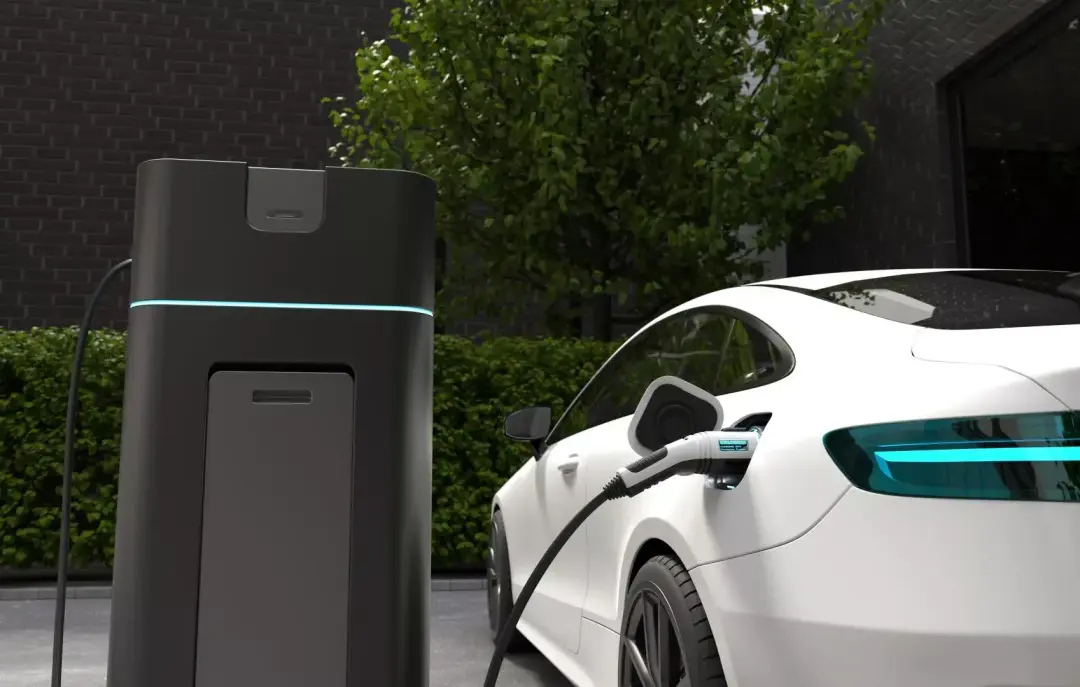
EV charging places particular demands on fault protection. The installer must choose protection that works with the charger and earthing arrangement, including DC fault-current and open-PEN considerations where relevant. Existing defects should be resolved rather than hidden behind a new charger.
The IET's EV charging guidance explains why RCD type and coordination depend on the equipment and installation. The arrangement should be designed and tested, not copied from another property.

The charger is placed where it is hard to use
A unit mounted behind a parked vehicle, too far from the charge port or next to a narrow walkway may be electrically sound but frustrating daily. Check actual vehicle positions, reach, lighting and access for drivers with mobility needs. Protect the unit from likely vehicle impacts and leave space for maintenance.
The government's chargepoint design advice covers access, safety and repairability. These are practical location decisions, not finishing touches.
A quote leaves out permissions or ground works
An apparent installation price may assume a short cable run on the same wall as the electrical board. Trenching, reinstating paving, a pedestal, access equipment or network work can change that price. At workplaces and rented property, obtain the necessary owner or site permission before work begins. Ask the installer to distinguish what is included from what depends on the survey or another party. A clear route drawing prevents a surprise when the charger arrives.
The chosen unit does not match the vehicle or use case
A powerful charger cannot make a vehicle accept AC power faster than its onboard charger allows, and a slow unit may be unsuitable for brief customer visits. Check connector type, charging speed, lead arrangement and how users will start a session. At a business, consider how charging will be managed and paid for before choosing hardware. The right product is the one that supports the real parking pattern and can be maintained, not simply the unit with the largest number on its label. The selected location also needs enough space for a driver to handle the connector comfortably. At a public-facing site, the owner should decide who will operate the equipment, how drivers will find help and whether payment and access arrangements meet the rules for that type of charger. These questions can affect the product choice before any cable is laid.
Grant approval comes after the installer has started
If a project relies on a government grant, the application sequence matters. For the current Workplace Charging Scheme, the customer must receive eligibility notification before installation; the authorised installer then claims the grant under the scheme rules. Starting first can put funding at risk. This is separate from electrical safety, but it can delay or disrupt the project just as much as a cable-route problem. Check the latest scheme terms and agree who is responsible for each step before setting a work date.
How to reduce surprises before installation day
Ask for a site survey that records the incoming supply, the proposed charger position and the complete cable route. The installer should identify any work on the consumer unit or distribution board, protection and earthing, and whether the network operator must approve the connection. For outdoor work, agree who will dig, protect the cable, restore paving and keep pedestrian routes safe during the work.
Confirm how the charger will be used. A home owner may want scheduled overnight charging, while a business may need access controls, usage records or a way for visitors to pay. Test communications at the intended position before relying on connected features. If several chargers share one supply, ask for the expected charging rate when they are all in use, not only the maximum printed on each unit.
The handover should include the relevant electrical records, instructions, a demonstration of a charging session and a named route for faults. A clear handover does not prevent every failure, but it makes a later fault easier to identify and repair. If the unit is unsafe or damaged, stop using it rather than repeatedly resetting a protective device.
Connectivity or commissioning is overlooked
Smart scheduling, monitoring and billing can depend on reliable communications. Check mobile signal or Wi-Fi at the proposed position, and confirm what the charger does if a connection fails. Test the charger, demonstrate it to the owner and hand over electrical records and instructions.
The UK had 121,171 public EV chargers on 1 July 2026. For public rapid networks, regulations set a 99% average annual reliability requirement across each operator's rapid network—not a guarantee for every individual charger or a rule for private home units. Read the reliability guidance. For local electric car charger installation birmingham, start with a survey that covers these common problems.
For installations in Birmingham and Worcester, RNE Services Ltd can survey the supply, route and parking space before work begins.