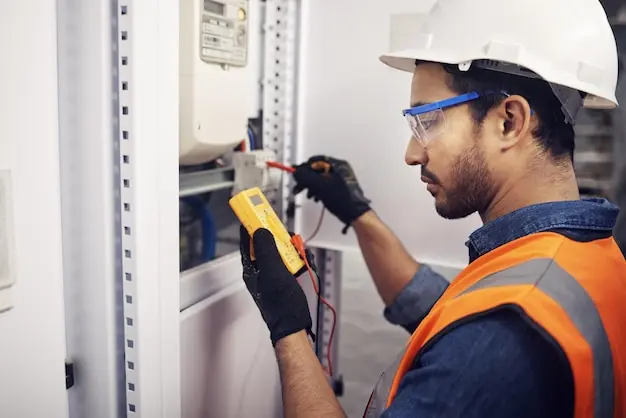
An EV charging point needs more than a unit fixed to a wall. The work normally includes a supply assessment, a suitable circuit and cable route, electrical protection, installation testing and the relevant network notification or approval.
The first job is checking the existing supply
An installer looks at the incoming supply, the consumer unit or distribution board, earthing, spare capacity and loads already in use. Electric heating, cooking equipment or other chargers can affect what the site can safely support. Some properties can accept the proposed charger; others need load management, remedial work or a network upgrade.
Government connection guidance describes standard charging as 3–7 kW and fast charging as 7–22 kW. A 7 kW charger draws far more power than a phone or laptop, so output must follow the survey rather than the charger's headline rating. See the government power bands. The Department for Transport counted 28,887 public chargers rated rapid or above on 1 July 2026. A rapid public site is a very different electrical connection project from a typical home wallbox, so charger type must be settled before the circuit is designed.
A suitable circuit and cable route are installed
The installer plans a route from the electrical supply to the charger, choosing the cable and protective equipment for the design current, route length and conditions. Work may involve drilling, surface containment or a buried duct. The route should avoid damage and leave the charging lead clear of pedestrian paths.
Where several workplace bays may be added later, cable containment and space in the electrical distribution can be planned for expansion. The government's chargepoint infrastructure specification describes safe, unobstructed cable routes and future connection locations.
Protection and earthing must suit EV charging
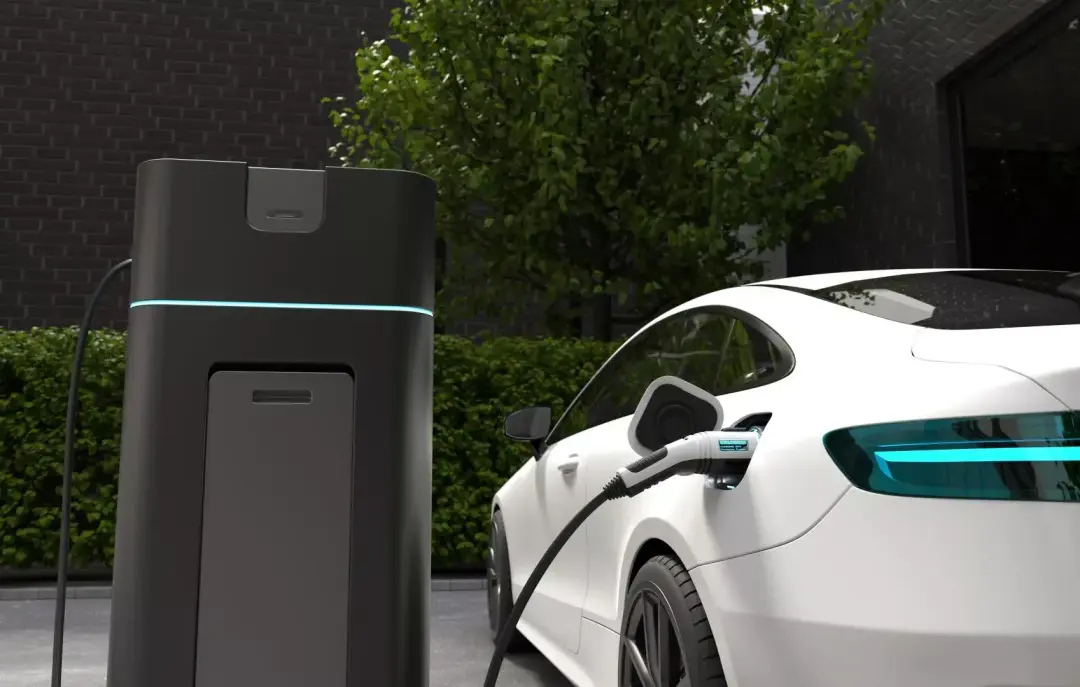
An EV charger requires protective measures that meet the current wiring rules and equipment instructions. These can include individual residual-current protection and protection against DC fault current; the arrangement depends on what the charger contains. Outdoor installations also need the earthing and open-PEN-fault risks assessed.
The IET explains RCD choices for EV charging equipment. This is design and testing work for a competent installer, not a reason to select a protective device by appearance or reuse a convenient existing socket.

The network operator may need a notification or application
The installer should determine whether the local distribution network operator can be notified after connection or must approve the proposed load beforehand. The answer depends on the site and maximum demand. If a supply upgrade is needed, that can affect the programme and cost.
Energy Networks Association guidance says installers assess the supply and handle the application process for an EV chargepoint. Ask for this step to be included in the installation scope.
Will the consumer unit need replacing?
Not necessarily. The installer needs to inspect its condition, available ways and whether suitable protection can be provided. A sound board may have room for a new circuit; another may need remedial work or a separate arrangement. An old-looking unit alone is not proof that a full replacement is required. Ask for the survey findings and the proposed circuit design to be explained before approving extra work. The electricity meter and network operator equipment belong to different parties and should not be altered as if they were ordinary consumer-unit parts.
How does the charger affect the property’s other loads?
A charger can run for hours, so simultaneous demand matters. If a vehicle charges while cooking, heating or machinery operates, the combined load may exceed what the supply can comfortably deliver. A load-limiting arrangement can reduce charging power when the building uses more electricity, subject to a proper design. This can be less disruptive than an immediate supply upgrade, but it also changes charging time. The installer should explain the expected charging rate under normal and peak conditions instead of quoting only the device’s maximum.
What should be on the installation handover?
Ask for the relevant electrical test and certification records, the charger instructions, warranty details and a clear explanation of how to stop and report a fault. Confirm who has handled any network notification or approval. If the charger has smart functions, check that the owner can access the account, update software and change schedules. The installer should demonstrate a charging session rather than leaving the owner to discover setup problems after the work is finished. Keep the records with the property information for future inspection or sale.
What can make the work more involved?
A straightforward installation may use a suitable existing supply and a short protected route to a nearby parking space. More work is likely when the board has no suitable capacity, the route crosses hard landscaping, the charger needs a pedestal or several cars must charge together. These conditions are not reasons to skip a charger; they are reasons to design the electrical work and agree the scope before installation.
A supply assessment should consider the maximum demand when other large loads operate, not only the current shown on the day of the visit. If load management is proposed, ask how the charger behaves when the building is busy and what happens if the control device fails. A charger set to deliver less power may still meet an overnight need, but it may be a poor match for a vehicle that only parks briefly.
The quote should distinguish the charger, the circuit and protection, any remedial electrical work, ground works, network application and commissioning. That helps an owner compare options fairly. It also prevents a situation where the charger is mounted but cannot be energised because network approval or another essential piece of work was left out.
Testing and handover finish the job
After installation, the circuit and charger should be inspected, tested and commissioned. The owner should receive appropriate records and instructions for safe use, smart settings and fault reporting. A charger that powers on is not by itself proof that the electrical installation has been tested.
For electric vehicle charger installation Birmingham, RNE Services Ltd can discuss the survey and electrical route before equipment is chosen. Government smart-chargepoint guidance explains the functions expected of private chargers sold for use in Great Britain.
For vehicle charger installation in Birmingham or Worcester, RNE Services Ltd can assess the existing supply and explain which electrical work the proposed charger actually needs.