How often should electrical testing be carried out? Discover the ideal frequency for electrical testing to maintain safety and regulatory compliance, protecting your home or business from electrical hazards.
Why Electrical Testing Matters
Electrical testing is an incredibly necessary aspect of every home and business property, existing to ensure the overall safety and reliability of all the electrical systems inside. There are a number of reasons why frequent electrical testing and inspection are vital to your environment.
One of the first reasons to be aware of is how it provides safety for all. By testing the electrical devices and systems, you can protect lives and identify dangerous faults early and get them fixed much faster. Electrical faults are one of the leading causes of workplace accidents and fires.
Alongside this, you’ll find that by keeping your property safe, you’ll avoid costly damages. By identifying and fixing the electrical issues as early as possible, you won’t have to go through the efforts and sometimes extreme costs that typically come with repairing or replacing damaged goods.
Making sure your electrical devices and systems are up to standard is also a great way to make sure you stay compliant with the current regulations. As a home or public property, you’ll need to make sure you’re in line with the existing building regulations, landlord obligations, and Electricity at Work Regulations (1989).
Many of these regulations fall under the umbrella of making sure the systems are all maintained and safe to use. It also states that any electrical work done on the building must be carried out by a fully qualified, competent person.
Lastly, one of the main reasons why electrical testing, or PAT testing, is crucial in the workplace is to improve efficiency. All the latest equipment, software, and systems tend to be much faster at developing, generating, and providing the services we need. For example, we can achieve faster internet access, better performance machinery, and much more.
How Often Electrical Testing Should Be Done in Homes
Electrical systems in your home should typically be tested at least every 5-10 years or so. Usually, you will need more frequent inspections for older homes and rental properties, as these need plenty more attention to detail.
It is generally advised that homeowners have all electrical systems and devices tested every ten years, unless your property is much older. Those with older properties or those who have made numerous electrical modifications to their building may need many more electrical checks and tests.
In doing so, you can make sure you are completely safe and that all additional features are fully up to standard and meet the existing regulations. If you begin to notice any worrying signs, such as burning smells or flickering lights, more frequent inspections will be needed to combat these problems.
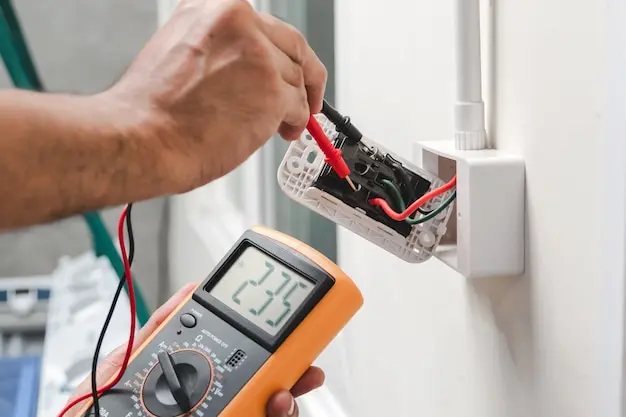
When it comes to rental properties, it's important that landlords schedule these electrical checks. Throughout England and Wales, it is a legal requirement to have all your existing electrical installations thoroughly inspected every 5 years, or at least in between new tenants.
That way, you can make sure all your tenants are kept safe throughout the duration of their tenancy. Doing so allows your building and all the systems inside to be compliant with the existing Electrical Safety Standards found in the Private Rented Sector Regulations.
PAT is always carried out on the appliances in your home that are not a built-in part of the fixed wiring system. PAT testing should be done at least every 3-12 months, but this will sometimes vary according to the type of appliance and the usage in your current space.
How Often Commercial Properties Need Electrical Testing
The regularity of electrical testing for commercial properties isn’t always a one-size-fits-all scenario. It can often be determined by a range of factors, like the age, type of industry you’re in, and the overall condition of the building. Sometimes it can also boil down to the specific local regulations of your business.
As with anything, routine checks are advisable for any business, and its always good to make sure you get minor inspections on an annual basis. Minor inspections are much less comprehensive, but they still enable you to catch any early signs of wear or issues that may require a more detailed look.
When it comes to formal inspections, these are recommended at least every five or so years for public commercial properties, and on a more frequent basis for those with harsh operational zones or higher electrical loads. These are made to help maintain your current electrical components, keeping them safe and free from overloaded circuits, flickering or dimming lights, power surges, sparking, or dead outlets.
If you change occupancy or your building undergoes significant modifications, you must always have a full electrical test conducted by professionals in your local area. All new systems, devices, and electrical machinery can then be used during commercial operations with the knowledge that they are all completely safe and up to code. Swapping out old systems for brand-new ones will always be an instance that requires testing afterwards.
Signs You May Need Testing Sooner
Much like all products, systems, and devices, it is wise to keep a close eye on your electrical system for signs of faults, damage, or wear. If you, other members of your household, or members of staff start to notice overloaded circuits or faulty wiring, it is best to arrange electrical testing as soon as possible. Acting early can help uncover hidden issues before they become more serious.
One of the clearest warning signs to be aware of is a burning smell coming from the sockets or the fuse board. This can point to overheating wires, which may lead to an electrical fire if left unchecked. Any unusual smell like this should be taken seriously, especially if it appears more than once or becomes stronger over time.
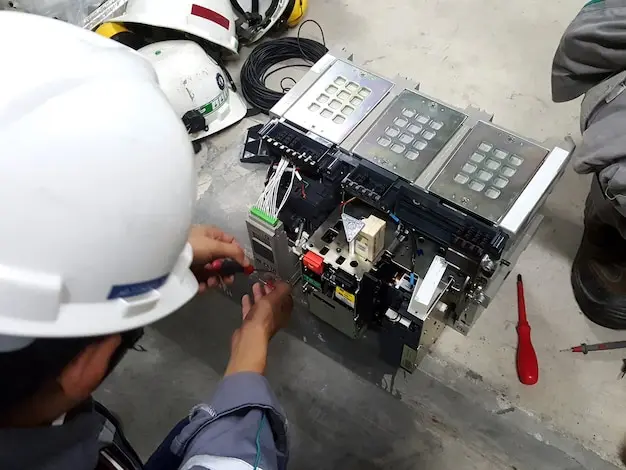
You should also watch out for any flickering or dimming lights, as these may suggest some loose connections or unstable power flow. Buzzing or crackling sounds are another concern, as they can be a sign of dangerous electrical faults behind walls, sockets, or fittings. Sparks when plugging in appliances may also show that a socket is worn out or that the wiring is no longer safe.
If you notice any of these signs, it is always best to call for help from a qualified electrician, like ours, for an inspection as soon as possible. Early testing can help avoid major hazards, reduce the risk of fire, and make sure your electrical system stays safe and efficient. Taking action sooner rather than later is an immediate way to protect both your property and the people inside it.
Legal Duties and Safety Requirements
Electrical testing plays an important part in meeting legal duties and keeping people safe. Whether the property is domestic, rented, commercial, or industrial, there is a clear responsibility to make sure electrical systems are safe to use. Regular inspection and testing help identify faults, damage, and wear before they become a danger to occupants, staff, visitors, or tenants.
For local landlords, employers, and duty holders, electrical safety is more of a legal requirement that cannot be ignored. Fixed wire testing, appliance checks where needed, and routine inspections can help demonstrate that reasonable steps have been taken to maintain the safety of your environment. Keeping up with testing also allows for compliance with the current safety rules, insurance terms, and general responsibilities for the condition of a building.
The main aim of electrical testing is to reduce the risk of electric shock, fire, power failure, and damage to equipment. Over time, wiring, sockets, fuse boards, and other parts of an installation can deteriorate or become unsafe through age, heavy use, or poor previous work. Testing helps uncover these issues early, allowing repairs or improvements to be made before they lead to harm or disruption.
Clear records of inspections and test results are also vital during this time. These documents can offer plenty of proof that safety checks have been carried out and that any problems have been identified and addressed. By treating electrical testing as an essential part of legal compliance and ongoing safety, property owners and responsible persons can help protect both people and premises.
RNE Services Ltd carries out electrical testing across Birmingham, Worcester, and Sutton Coldfield, providing reliable and efficient solutions for residential and commercial properties. Get in touch today to discuss your electrical testing needs.