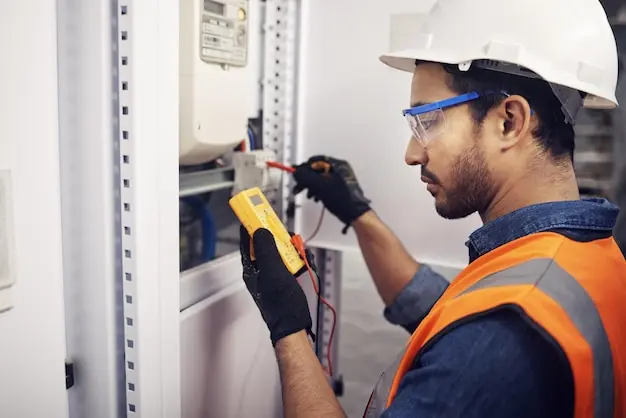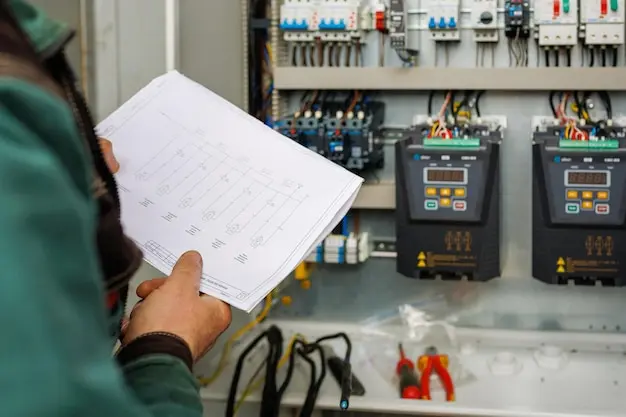
Electrical Safety Testing in the Workplace is essential for preventing hazards. Ensure your electrical systems are safe, compliant, and minimise the risk of accidents or downtime.
Common Electrical Hazards in the Workplace
One of the most frequently found electrical hazards in the workplace is damaged wiring or worn-out electrical equipment. Cables can sometimes become frayed, split, crushed, or exposed through lots of use, poor storage, or accidental impact.
In busier work settings, these faults may develop gradually and remain unnoticed until they begin to impact the performance or create a direct safety risk. Even a small area of damage can increase the chance of electric shock or overheating.
Overloaded sockets and extension leads are another frequent concern. In many workplaces, more devices are added over time without proper thought being given to the capacity of the electrical system. Staff may plug multiple items into one outlet to save space or improve convenience, but this can put strain on circuits and raise the risk of overheating. This is especially dangerous in older buildings or in areas where high-powered equipment is used on a regular basis.
Faulty appliances can also create a number of serious problems. Over time, the office kettles, printers, heaters, computers, fans, and specialist equipment may all become unsafe if they are poorly maintained or continue to be used after damage has appeared.
Loose plugs, cracked casings, or signs of overheating should never be ignored. Portable appliances that are moved often are especially likely to suffer wear and tear, making routine checks even more important.
Water, dust, heat, and general workplace conditions can make electrical hazards worse. In kitchens, workshops, building sites, or industrial spaces, electrical systems may be exposed to harsher conditions than in a standard office. Moisture can increase the risk of shock, while dust and dirt can affect the safe operation of sockets, fittings, and machinery. When these environmental factors are combined with poor maintenance, the danger can rise quickly.
How Regular Testing Helps Prevent Accidents
Electrical safety testing helps you avoid any accidents by identifying faults before they cause any major harm. Many serious incidents do not come from sudden failures alone, but from issues that have been building over time. Testing allows a qualified professional to assess the condition of circuits, wiring, fittings, and equipment, helping to find signs of wear, weakness, or damage that may not be visible during normal use.
Testing also helps confirm that your electrical systems are performing as they should. A workplace may appear to be fully functioning normally on the surface, all the while the hidden problems remain behind walls, ceilings, panels, or machinery. By carrying out proper inspections and checks, businesses can discover loose connections, overloaded circuits, poor earthing, or other defects that could lead to fire, electric shock, or power loss if ignored.
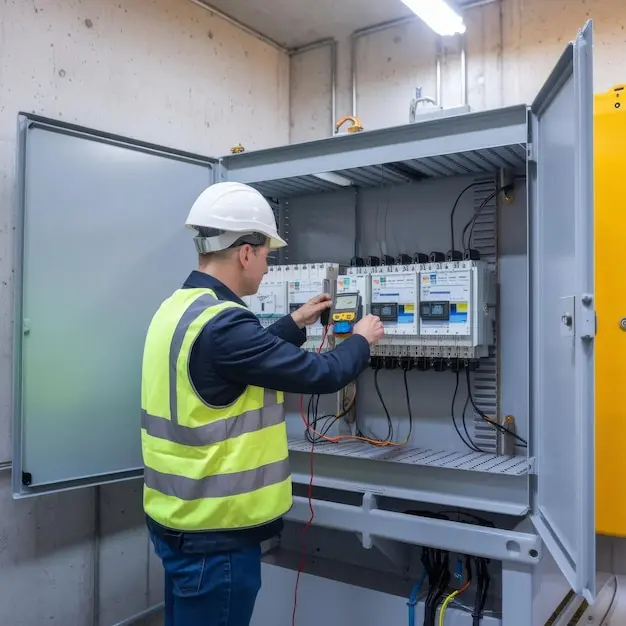
Another important benefit is that regular testing encourages timely repairs and better maintenance planning. Once faults are identified, employers can arrange repairs, replacements, or upgrades before an emergency develops.
This makes it easier to manage safety in a controlled way rather than dealing with unexpected breakdowns, damaged equipment, or a dangerous incident that affects staff and operations.
Plenty of frequent testing is also a great way to build a stronger safety culture in your workplace. When your staff see that the safety checks are being taken seriously, they are more likely to report any signs of damage, unusual smells, flickering lights, or faulty appliances.
This shared awareness can help decrease the chances of any unsafe conditions being severely overlooked and help create a workplace where prevention is treated as a normal and essential part of daily work life.
Types of Electrical Safety Testing for Workplaces
There are several types of electrical safety testing that may be used in a workplace, depending on the building, the equipment in use, and the nature of the work being carried out. One of the most important is fixed wire testing, which involves the inspection and testing of the permanent electrical installation.
This includes wiring, sockets, lighting circuits, distribution boards, and other built-in parts of the system. It helps confirm that the main installation remains safe and suitable for continued use.
Portable appliance testing is another common form of workplace electrical testing. This type of testing focuses on movable electrical items like computers, monitors, kettles, extension leads, power tools, and other plug-in equipment.
While not every item will face the same level of risk, frequent checks over the year help to identify any visible damage and electrical faults that could make an appliance unsafe. This is particularly useful in workplaces where equipment is often handled or moved from one area to another.
Visual inspections also play an important role. Not every safety issue requires advanced testing equipment to be noticed in the early stages. A trained professional can often identify warning signs such as damaged sockets, scorch marks, loose fittings, poor cable management, or signs that equipment has been misused. These inspections are a valuable part of an overall safety approach and can highlight areas that need more detailed testing.
In some workplaces, more specialised testing may also be needed. This can include checks on emergency lighting, fire alarm systems, three-phase installations, or equipment used in demanding industrial settings.
The exact testing programme should reflect the size of the workplace, the type of business, and the level of electrical risk present. A well-planned approach helps make sure that all key systems are checked properly and at suitable intervals.
The Risks of Skipping Electrical Safety Testing
Skipping electrical safety testing can expose your workplace to a multitude of serious and avoidable dangers. Without regular checks, faults may remain hidden until they cause injury, fire, or major damage to the premises. Electrical problems are not always obvious at first, and a system that seems to be working normally may still contain defects that make it unsafe. Leaving these issues undiscovered increases the chance of a harmful incident.
There is also a financial risk in failing to keep up with testing. Faulty electrical systems can damage expensive equipment, interrupt business operations, and lead to costly repairs that might have been far less severe if the problem had been found earlier. In some cases, a single electrical failure can stop work completely, affect customer service, and create delays that harm the wider business.
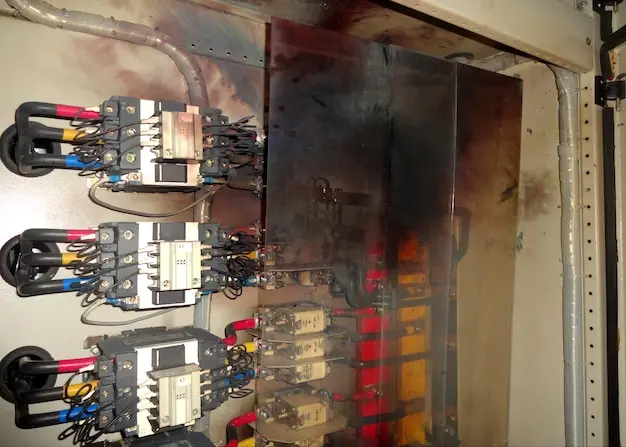
Neglecting electrical testing can also have a massive impact on legal and insurance matters. As an employer, you have a duty to provide a safe working environment, and failure to maintain electrical safety is a part of this duty of care.
It can often lead to complaints, enforcement action, or difficulty showing that reasonable care has been taken. If an incident occurs and there is little or no evidence of testing or maintenance, the consequences may be more serious for the business and those responsible for the premises.
Beyond the legal and financial impact, there is the human cost. Staff may suffer injury, stress, or a loss of confidence in their workplace if electrical safety is not managed properly.
Visitors and contractors may also be placed at risk. A preventable electrical incident can have lasting effects on people as well as business operations, which is why skipping testing is never a risk worth taking.
Choosing a Qualified Electrical Testing Professional
Choosing the right electrical testing professional is an important step in protecting your workplace. Electrical systems should only be inspected and tested by someone with the right training, knowledge, and experience. A qualified professional will understand how to assess the installation properly, identify hazards, and explain what action is needed in a clear and practical way. This helps ensure that the testing is both thorough and reliable.
It is wise to look for an electrician or testing specialist who has relevant qualifications and experience in commercial or workplace environments. Not all properties have the same electrical demands, so it is helpful to choose someone who understands the type of premises you operate. An office, shop, warehouse, school, or factory may each require a different level of knowledge and a different approach to testing and reporting.
A good professional should also provide clear documentation after the inspection. Reports, certificates, and records of any faults found are important for both safety management and future planning. These documents help show what has been checked, what problems need attention, and whether the system is safe for continued use. Clear reporting also makes it easier to arrange repairs and keep a proper history of maintenance.
Good communication matters just as much as their technical ability. An electrician carrying out a test should always be fully honest and explain their findings in understandable language.
They mustn’t confuse their clients with any technical terms they may not know or leave any important details unanswered. By choosing someone qualified, experienced, and dependable, like our RNE Services Ltd professionals, you can feel much more confident that your workplace electrical safety is being handled properly.
RNE Services Ltd carries out electrical testing across Birmingham, Worcester, and Sutton Coldfield, providing reliable and efficient solutions for residential and commercial properties. Get in touch today to discuss your electrical testing needs.