
The right number of EV charging points depends on how many vehicles need energy at the same time, how long they stay and how much power the site can deliver. Counting parking bays alone can lead to too few usable chargers or more hardware than the business needs.
Count vehicles and charging sessions
Separate staff, fleet and visitor demand. Record how many EVs arrive on a busy day, when they park, how long they remain and whether a driver can move the vehicle after charging. A fleet returning overnight has a different pattern from a shop whose customers stay briefly.
The UK Workplace Charging Scheme had funded 72,388 sockets by 1 July 2026, including 8,047 in the previous 12 months. That counts grant-funded workplace sockets, not every workplace charger, but shows the scale of current provision.
Estimate energy, not just the number of plugs
Ask how many kilowatt-hours each vehicle must add before its next journey. As a simple planning example, ten vehicles each needing 20 kWh require 200 kWh in total. Across an eight-hour charging window, that is an average of 25 kW before charging losses and changes in when vehicles are plugged in. An electrician must then check peak load and the actual supply.
The example is a calculation, not a recommended charger count. Cars may arrive with different battery levels, accept different AC charging rates and need to leave at different times.
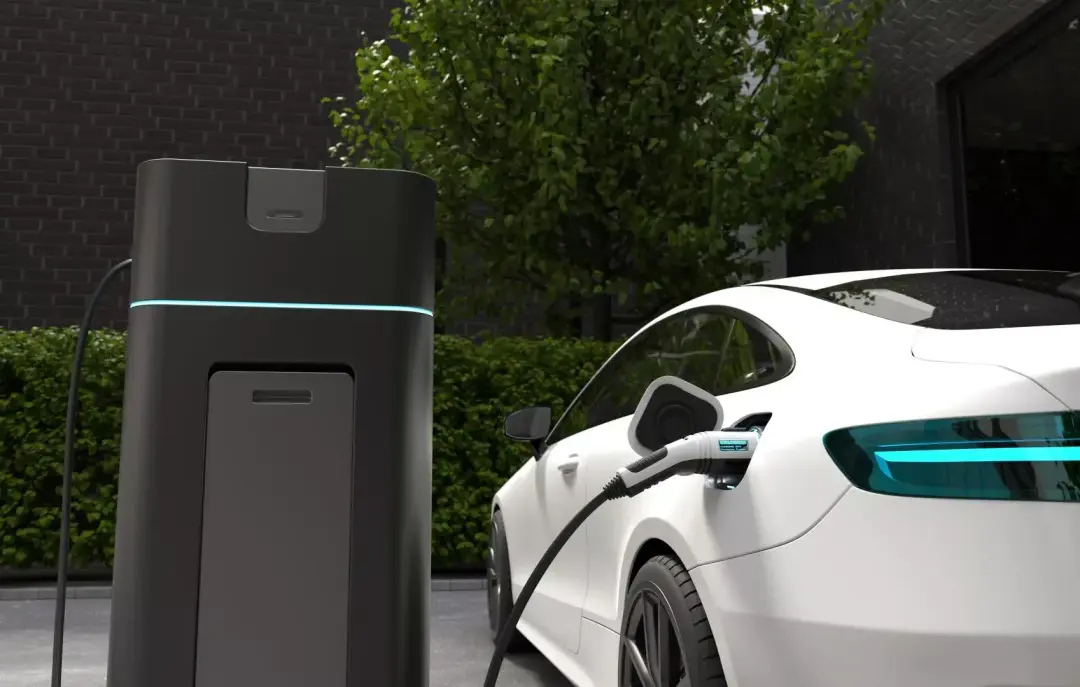
Match charger speed to dwell time
Where cars remain all working day, a managed group of slower chargers may be more useful than one high-power unit. Short-stay visitors may need higher output, but that can make supply work more demanding. Government guidance puts standard chargers at around 3–7 kW and fast chargers at 7–22 kW; it recommends tailoring the connection to the site. Read the connection guide.
Consider queuing too. If a charger serves one bay all day, it cannot reliably serve several drivers unless there is a clear process for moving cars.

Check simultaneous load and allow for expansion
A bank of chargers does not necessarily need every socket at full output at once. Load balancing can share available capacity while protecting the main supply, though it may lengthen charging sessions. A survey should check other loads and whether the distribution board, cables and connection can support the plan.
It may be sensible to install a smaller first phase while providing safe cable routes for future bays. The government infrastructure specification describes how future positions can be prepared with cable containment and adequate power.
Consider an office, a fleet depot and a short-stay site separately
An office may have cars parked for most of the working day, so sharing limited power across more bays can be useful. A depot may need every vehicle ready for an early departure, making the overnight energy requirement the key measure. A retail site may need fewer but faster charging sessions because drivers leave sooner. These are planning patterns, not fixed charger-to-space ratios. Survey the actual vehicle movements and charging needs before choosing a number.
Decide how drivers will share the bays
One socket is one simultaneous charging position. If vehicles can be moved after charging, a smaller number of sockets may serve more drivers during the day; if nobody can move them, a charger can remain blocked by a full car. Booking rules, signs and a clear policy for staff and visitors matter as much as hardware. Think about accessible bays and whether visitors can find and use the equipment without asking staff to unlock a unit.
Set a first phase and a trigger for expansion
A practical plan records today’s busy-day sessions, the energy each requires and the growth expected over the next few years. Install enough live sockets for the current demand, then identify the point at which queues or missed charging targets justify the next phase. Cable routes and distribution capacity can be designed for that later phase even when the extra chargers are not installed yet. Review usage data after opening: an empty charger and a persistent queue are both signs that the original assumptions need revisiting.
A worked example of turning demand into a first phase
Imagine a workplace with twelve parking spaces and four staff EVs that each need about 15 kWh during an eight-hour shift. Their combined daily requirement is 60 kWh. Spread evenly over eight hours, that is 7.5 kW of average delivered energy before losses; the peak can be higher if cars arrive and start charging together. This calculation suggests the site should examine simultaneous use and load sharing, not simply install one charger for every EV.
Now imagine two visitors also need short charging sessions. A bay dedicated to visitors may be more useful than adding another staff-only socket, because staff cars can often remain connected longer. If drivers cannot move vehicles after charging, the number of usable bays becomes a stronger limit than the total daily energy. The right first phase depends on parking behaviour as well as electrical capacity.
The numbers are illustrative, not a specification. Vehicle charge limits, battery state, losses and departure times vary. A real plan should set an energy target for each user group, check the busiest overlapping period and test whether the available supply can meet it. If it cannot, the business can compare more time, load balancing, a different charger mix or a network upgrade.
Review grants before committing to installation
Eligible organisations can seek Workplace Charging Scheme support for up to 40 sockets across their sites, with up to £500 per socket for installations completed from 1 April 2026, subject to the rules. The grant covers up to 75% of eligible purchase and installation costs, and approval must come before installation. Check current installer guidance.
For car charger installation birmingham, RNE Services Ltd can help scope a first phase around your real charging pattern and the site supply.
Businesses in Birmingham and Worcester can ask RNE Services Ltd to plan charger numbers from actual parking and energy use, with room for future bays.