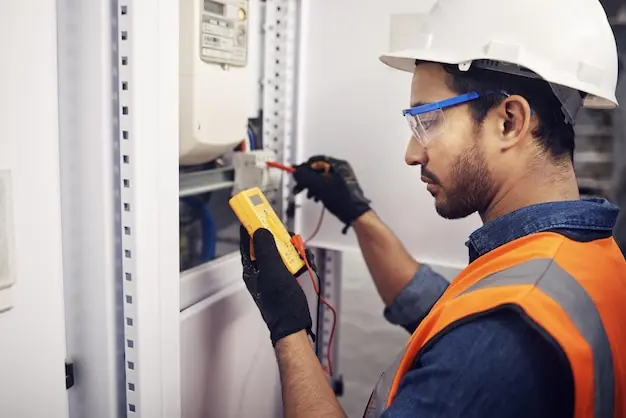
The best position is beside the space where the vehicle normally parks, within easy cable reach and on a route the electrical supply can support. Convenience matters, but an installer must also assess safety, access and cable routing before fixing the final position.
Start with the parking space, not the nearest wall
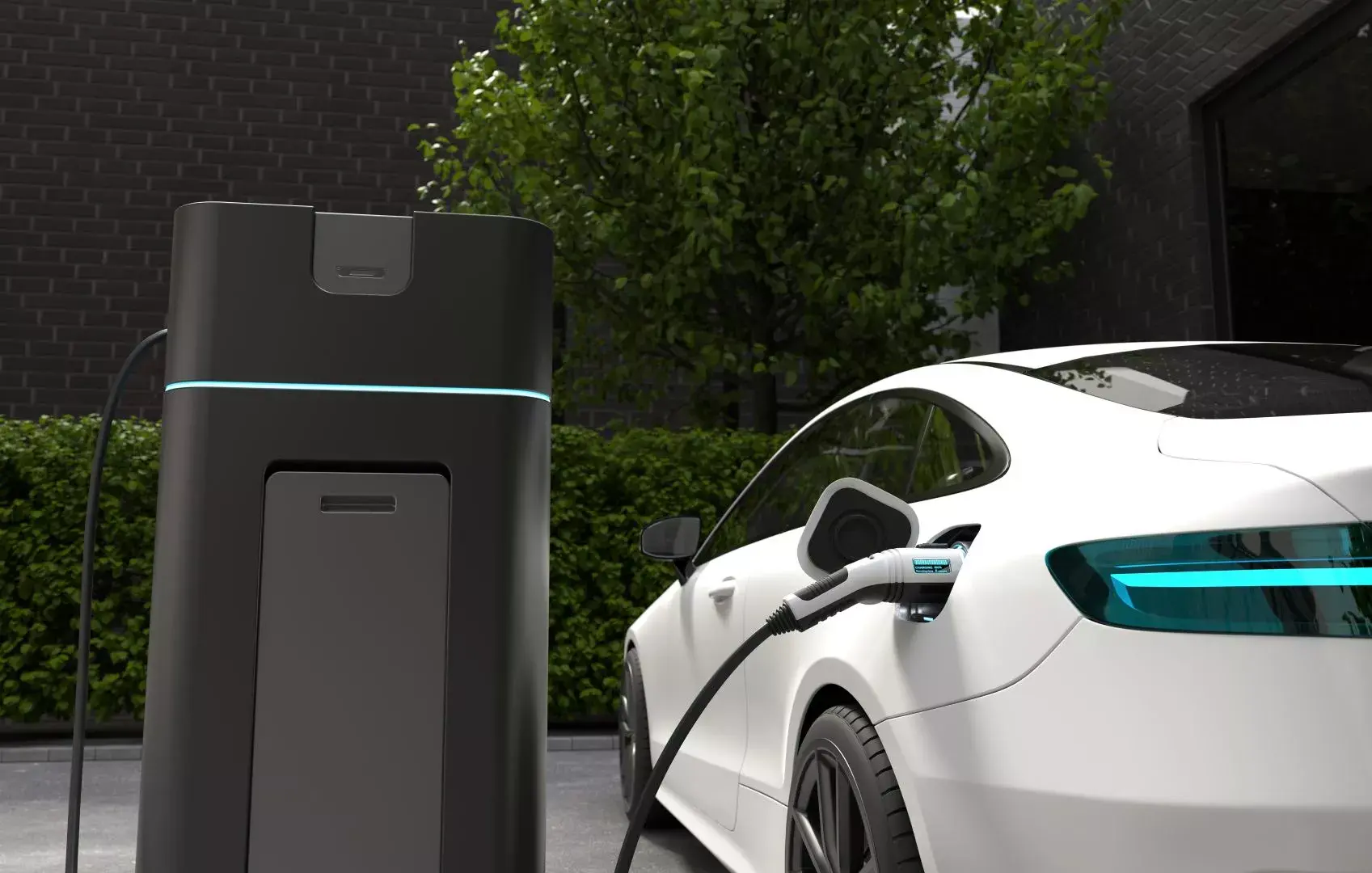
Watch where the car actually stops and where its charge port sits. A wallbox near the front of a drive may be awkward for a car with a rear charge port, while a central position may serve two spaces. Leave room to open doors, reach the connector and walk around the vehicle without stepping over a lead.
At a workplace, match the charger to the length of stay. A car parked all day needs a different arrangement from a visitor staying an hour. Government guidance groups standard charging at roughly 3–7 kW and fast charging at 7–22 kW; the right output depends on vehicles, dwell time and supply. See the government connection guide.
Keep the lead out of walking and driving routes
The lead should reach the car without crossing a doorway, public pavement or busy pedestrian route. Consider reversing space, kerbs, bollards and the chance of a vehicle striking the unit. A pedestal can help when a wall is too far away, but foundations and a buried cable route need planning.
Accessible charging needs usable space around the car and charger, a reachable connector and clear signs. The government's chargepoint design guidance asks designers to consider mobility needs, lighting, maintenance and safe access from the outset.
Check the route back to the electrical supply
The shortest visible route is not always the simplest electrical route. The installer must assess the consumer unit or distribution board, cable length, protection, earthing and other large loads. A long run, difficult ground or a supply upgrade can change the sensible charger position.
The electricity network operator may need to be notified or asked for approval. Energy Networks Association guidance explains why the installer should assess the existing supply and handle the connection process.
Think about weather, connectivity and future cars
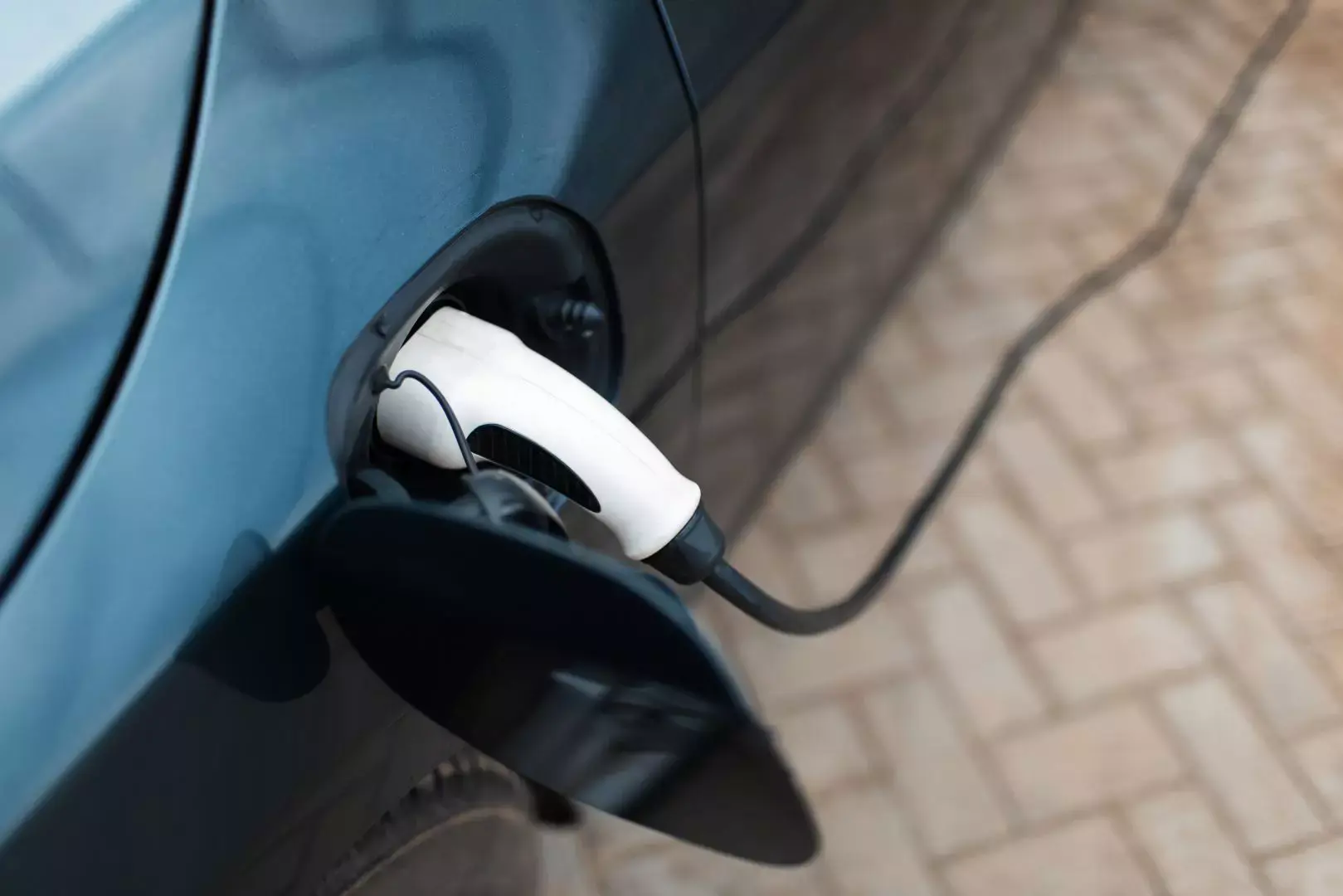
Choose equipment suitable for its exposure and position it where it can be inspected and maintained. Check whether the charger can get the mobile or Wi-Fi connection its smart features need. If another vehicle or parking bay may need charging later, planning the cable route and spare capacity now can reduce disruption.
For context, the Department for Transport counted 121,171 public EV chargers in the UK on 1 July 2026. That is a public network figure, not a count of private home or workplace chargers; it shows why convenient charging access is increasingly relevant.
Is the driveway or garage position better?
A garage can offer shelter, but it only helps if the car can park close enough and the lead can reach without being trapped under a door. On a driveway, the charger is often easier to use every day, though the enclosure and cable must suit outdoor conditions. Compare both positions with the actual car parked as it normally is. If a second vehicle uses the space, check whether both can reach without moving cars. A convenient wall position on paper can be inconvenient once bins, gates and the charging lead are in place.
What if there is no private off-street parking?
A charger on the house wall does not give permission to run a loose lead across a public footway. Public space, highway rules and access for pedestrians have to be considered before any cross-pavement arrangement. Government guidance describes purpose-built cable-channel options, but permission and suitability depend on the local authority and site. Some households will be better served by public on-street charging. Ask the installer to distinguish work on the property from any separate permission needed beyond the boundary.
How should a business compare two candidate bays?
Walk each route from the board to the proposed unit and from the car to the building entrance. Note who uses the bay, how long they stay, whether vehicles reverse into it and where pedestrians cross. A lower-cost cable run is useful only if drivers can still use the charger safely. Include lighting, signage and access for maintenance in the comparison. If the business expects more EVs, reserve a route for additional bays rather than placing the first charger where it blocks expansion.
A practical placement check before installation
Before accepting a proposed spot, park the car in its normal direction and walk through a complete charging session. Can the driver open the boot and doors, reach the charge port without stretching the cable and put the lead away without leaving it on the ground? If the car is replaced, could a model with a charge port on the other side still use the bay? These simple checks catch problems that a plan drawing may miss.
Then check the building side. The electrical board should have a feasible cable route to the position; the cable should be protected from knocks and weather, and the charger should remain reachable for inspection. Ask where any drilling, duct or trench will go and who will reinstate surfaces. For a commercial site, include pedestrians and delivery vehicles at the busiest time, not only when the car park is empty.
Finally, ask the installer to describe the alternative position they rejected and why. One location may reduce ground works but create an awkward lead route, while another may improve access but need a longer protected cable run. A short explanation makes the decision reviewable and gives the owner a useful record if the parking layout changes later.
Choose the position after a site survey
Mark the parking position, measure the cable route, discuss who will use the charger and ask the installer to check the supply. For a home, the usual best answer is beside the regular off-street parking space. For a business, it is the bay that gives drivers safe access while leaving room to expand.
If you are planning ev charger installation birmingham, RNE Services Ltd can assess a suitable location and the electrical work needed. The final choice should follow a survey, not a photograph of another property.
For charging at homes and workplaces in Birmingham and Worcester, RNE Services Ltd can review the parking position and supply before recommending a charger.